How to dismiss an employee lawfully
29 April 2024
Taylor Bracewell
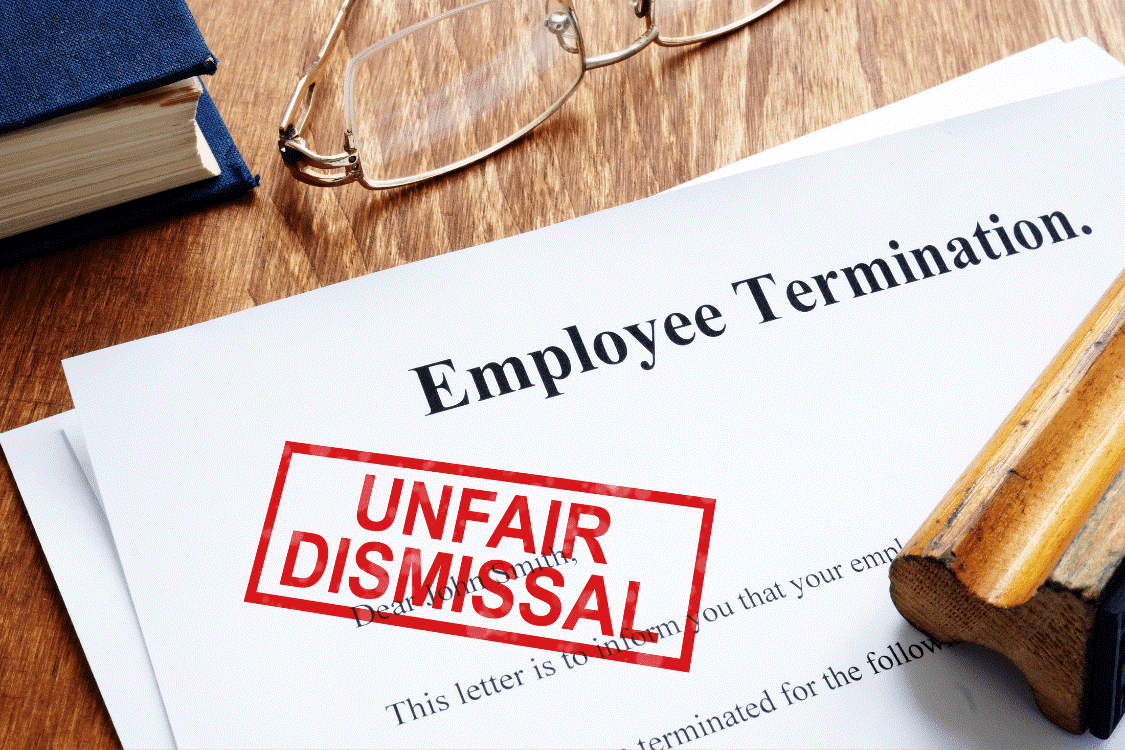
As an employer, understanding the legal requirements and best practices for dismissing an employee is crucial to avoid potential legal disputes and protect your business interests. Properly navigating the process of terminating an employee can help mitigate risks and ensure compliance with employment laws. In this blog post, we will discuss key considerations and steps that employers should take to lawfully dismiss an employee.
What is a dismissal of an employee?
The dismissal of an employee refers to the termination or end of an employee’s employment contract by their employer. In order to dismiss an employee the employer must show a valid reason that can be justified and act reasonably. An employer must be consistent with all employees and a fair process needs to be followed.
What is unfair dismissal?
Unfair dismissal is when an employee is dismissed from their job without a valid reason or without following the correct procedures. This can include being dismissed for discriminatory reasons, being dismissed without notice or being dismissed for reasons that are not related to their performance or conduct.
Reasons for dismissal of an employee
Reasons for the dismissal of an employee must be for a legitimate reason stated by law. Despite dismissals being unavoidable, you should always ensure any dismissals that are made are for a fair reason.
There are 5 legally fair reasons for the dismissal of an employee:
- Conduct/Misconduct – Any issues with an employee’s conduct at work may result in the dismissal from their roles.
- Capability/Performance – This refers to an employee’s capability to carry out their role. This may be linked to Ill health such as a long-term illness.
- Redundancy – Redundancy may occur when the employer requires fewer workers. This can occur for various reasons such as; closure of business, change of location and change of specific job roles and responsibilities.
- Statutory illegality or breach of statutory restriction – Despite this category not being used as often it refers to when an employee is no longer able to legally carry out their roles by law. For example, if an employed delivery driver had lost their driving licence (and there was no other work for them) then this may qualify for dismissal.
- Some other substantial reason (SOSR) is a potentially fair reason for dismissal in cases where there is a valid reason for ending the employment relationship.. Examples of SOSR may include situations where there are issues related to the employee’s behaviour that do not amount to misconduct but still affect the employer-employee relationship. In these cases, the employer must show that the reason for dismissal is genuine, compelling, and justifies ending the employment contract. SOSR can provide flexibility for employers to address unique circumstances that arise in the workplace which are not covered by the more typical grounds for dismissal.
There are 8 key steps to consider when dismissing an employee on conduct grounds:
Dealing with the dismissal of an employee fairly and lawfully involves following a set of procedures and ensuring compliance with employment laws. It is important to consult with an employment law specialist for specific advice based on your unique circumstances to avoid costly mistakes. At Taylor Bracewell we can help provide you with advice on how to follow this process lawfully.
Here are some key steps to consider:
- Review Employment Contract and Policies – Thoroughly review the employee’s employment contract and any relevant company policies to ensure you understand the terms and procedures for dismissal. This includes checking notice periods, disciplinary procedures, and any specific grounds for dismissal outlined in the contract or policies.
- Gather Evidence and Conduct an Investigation – Before initiating the dismissal process, it is crucial to gather all relevant evidence and conduct a fair and thorough investigation into the alleged misconduct or performance issues. This may involve interviewing witnesses, reviewing documents, and giving the employee an opportunity to respond to the allegations. It is important to ensure that the investigation is unbiased and objective.
- Provide Notice and Hold a Disciplinary Meeting – If the decision is made to proceed to a dismissal hearing, provide the employee with written notice of the disciplinary meeting. The notice should provide sufficient time for the employee to prepare their case and include details of the allegations and potential consequences. During the disciplinary meeting, allow the employee the opportunity to present their case and respond to the allegations. Employees have the right to be accompanied by a colleague or trade union representative in a disciplinary hearing to provide support and assistance.
- Consider Mitigating Factors and Alternatives – When making the decision on dismissal, consider any mitigating factors, such as the employee’s length of service, previous disciplinary history, and any extenuating circumstances. Explore alternatives to dismissal, such as warnings, performance improvement plans, or additional training, if appropriate and reasonable.
- Follow Legal Procedure – Ensure that the dismissal process complies with legal requirements, such as providing the employee with the right to be accompanied by a colleague or trade union representative at the disciplinary meeting. Follow the ACAS Code of Practice on Disciplinary and Grievance Procedures, which provides guidelines for conducting fair dismissal procedures is an important step that an employer must take to ensure the dismissal is procedurally fair.
- Offer the Right of Appeal – After the decision to dismiss has been made, inform the employee of their right to appeal the decision. Provide them with a clear process and timeframe for submitting an appeal. The appeal should be heard by a different (and more senior) manager within the organisation if at all possible.
- Document the Process – Throughout the dismissal process, keep detailed records of all meetings, correspondence, and decisions made. This documentation will be important in case of any legal claims. This will be evidence that needs to be disclosed as part of Employment Tribunal proceedings. Clear evidence of following a fair process will help an employer to defend a claim. Time spent on this is time well spent, it can make the difference between winning and losing a case. If you don’t document events clearly, you can lose control of the narrative and lose a case that you could otherwise have successfully defended.
- Seek Legal Advice – Given the complexity of employment law, it is advisable to seek legal advice from an employment law specialist at the earliest stage. They can provide guidance tailored to your specific circumstances, ensure compliance with legal requirements, and help mitigate potential legal risks and help make the process much easier to manage and less stressful. Two phrases come to mind here – “Knowledge is power” and a “Problem shared in a problem halved”, this is what we aim to do when advising at Taylor Bracewell. We will empower you, and make difficult legal issues much more manageable and easier to deal with.
If an employee is dismissed, do they work their notice period?
A common question our employment team receive is “If an employee is dismissed, do they have to work their notice period?” The simple response is: not always. Typically, an employee should be given the notice period specified in their contract or the minimum notice period required by law, depending on which one is longer.
However in the case of gross misconduct the employee could be let go right away, this would be a summary dismissal and the employee would not be entitled to notice pay.
How can our Employment team at Taylor Bracewell help?
Navigating the complexities of employee dismissal, whether it’s due to unfair or constructive reasons, demands a careful and knowledgeable approach. At Taylor Bracewell Solicitors, we stand ready to provide you with tailored guidance that goes beyond the words on these pages. Our experienced employment team understands the intricacies of employment law, ensuring that your actions as an employer align with legal requirements while maintaining fairness and respect for employees’ rights.
At Taylor Bracewell Solicitors, we stand ready to provide you with tailored guidance that goes beyond the words on these pages.
If you are an employer or employee who is worried about fair or unfair dismissal, then we would always recommend getting in touch and discussing your specific circumstances. Each case is different and our employment team would always advise based on your circumstances. Please get in touch with our Doncaster team by calling 01302 341414 or our Sheffield team by calling 0114 272 1884 or by filling out our online enquiry form if you wish to discuss your issue with a member of the team.